Source Laminated VMPET Popsicle Wrapper for Ice Cream, Snacks, Beverages
Explore 30 laminated VMPET popsicle wrapper options to compare material structures, thickness, and printing capabilities. This guide helps buyers evaluate moisture-proof packaging solutions suitable for various frozen food applications; compare the available evidence and request quotations based on your requirements.
Key considerations
Products List


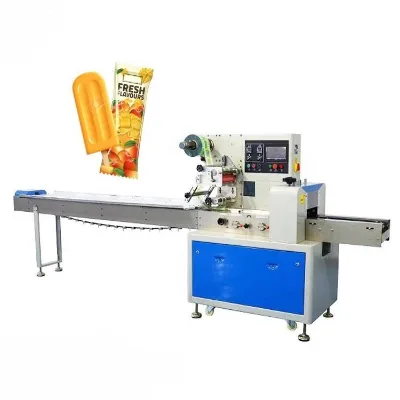
Comprehensive Sourcing Guide
Laminated VMPET Popsicle Wrapper Sourcing Guide
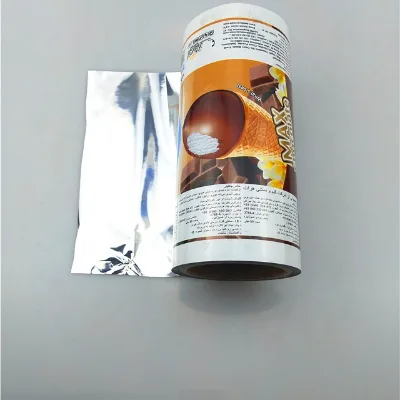
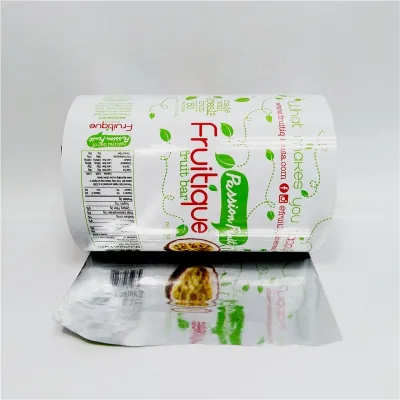
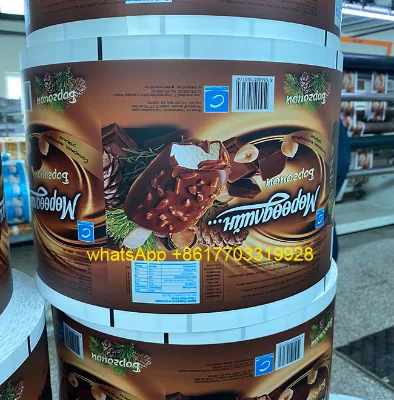
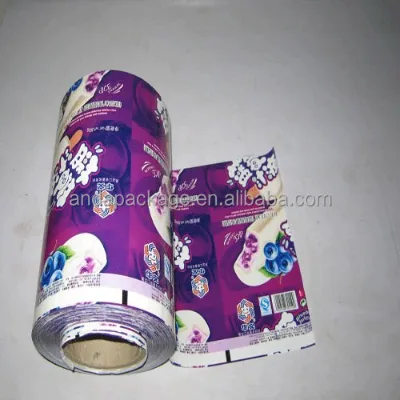
Sourcing a laminated VMPET popsicle wrapper requires buyers to balance barrier performance, print quality, and food-safety compliance in a product category where packaging directly touches frozen food. Popsicle and ice pop wrappers are typically produced as back-sealed bags or lamination film rolls using structures such as BOPP+VMCPP or matt BOPP+VMPET+PE, with a metallized film layer providing moisture protection and a reflective, high-visibility surface for retail freezer display.
This guide walks procurement teams through the decisions that matter most when evaluating listings and quotations: confirming the true product scope, verifying technical specifications against your filling and freezing line, securing compliant food-contact documentation, understanding the commercial levers behind price and MOQ, qualifying the supplier's process controls, and setting up long-term checks so a successful first order remains a repeatable one. Treat every listing attribute as an observation to confirm, not a guaranteed property of the product you will receive.
Product Scope and Observed Listing Signals
Listings in this category cluster around food and medicine film use, with gravure printing as the dominant surface-handling method and structures built on laminated material. Observed signals include model numbers tied directly to ice pop packaging, widths spanning roughly 45–1050 mm, thicknesses from 40–150 micron, and bag styles described as back sealed. Some listings also cover shrink film and transparent or opaque variants, so buyers should read each listing carefully to determine whether it describes finished popsicle wrappers, lamination film rolls, or upstream film stock.
Origin is consistently reported as Hebei, China, with dispatch through Tianjin and sometimes other Chinese ports. Brand names appear as HB Anda or ANDA, and customization, OEM work, and custom orders are noted as acceptable across listings. Supply ability claims range from 10 tons per day for lamination film to 1,000,000 bags per day for ice cream plastic packaging—figures worth treating as capacity signals to verify during qualification rather than commitments. Use these signals to build a shortlist, then move discussion to your specific structure, size, and volume requirements.
Technical Specifications to Verify
Begin with the laminate structure itself. The observed structures—BOPP+VMCPP and matt BOPP+VMPET+PE—serve different purposes: VMCPP offers a heat-sealable metallized layer with moisture resistance, while a VMPET+PE build places metallized polyester beneath a polyethylene sealant. Confirm which structure the supplier proposes for your product, because seal strength, stiffness, and freezer crack resistance differ between them. Also verify that the heat-seal layer (observed as MLLDPE in some listings) is compatible with your wrapping machine's sealing temperature and jaw design.
Next, pin down dimensional and print parameters. Width between 45–1050 mm and thickness from 40–150 micron cover a wide range, so specify the exact values your machine and product format require rather than accepting "customizable" at face value. For printing, confirm the number of colors—observed listings indicate up to 9 colors in CMYK-based gravure—along with artwork proofing procedures and registration tolerances. Finally, clarify transparency expectations: listings show both opaque and transparent variants, so state whether your design needs a metallized opaque finish or clear windows.
Compliance and Safety Documentation
Because the wrapper contacts food intended for consumption, food-contact compliance documentation should be a gating requirement before any order. Ask the supplier to state which food-contact regulations their laminated material is certified against for your destination market, and request supporting documentation rather than accepting verbal assurance. Observed listings cite ISO9001:2008 and ISO14001:2004 certificates; verify that these are current versions held by the actual manufacturing entity, not a trading office, and confirm scope of certification.
Beyond management-system certificates, request material declarations covering each layer of the laminate—BOPP, VMPET or VMCPP, PE or MLLDPE sealant—and the inks and adhesives used in gravure printing. For frozen food applications, ask how migration and low-temperature performance are validated, and what test reports the supplier can share from their own or third-party laboratories. Do not assume compliance from the words "Food & Medicine Film" in a listing; the buyer is responsible for confirming that documentation meets the regulatory requirements of the markets where the finished popsicles will be sold.
Cost Drivers and Commercial Terms
Price varies widely in observed listings—up to $40,000—because quotes are shaped by structure, gauge, print color count, order quantity, and whether the job uses new gravure cylinders. Each additional color adds cylinder and setup cost, so consolidate artwork where possible. Metallized structures generally carry a premium over clear laminates, and matt finishes add a further step. Ask suppliers to quote the same specification in two structures if budget is tight, so you can compare the cost of the barrier upgrade directly.
MOQ observations in this category span from 1 to 150,000, reflecting a mix of sample-level and production-level listings, so clarify early what a quoted MOQ covers—bags versus film, printed versus plain. Confirm commercial terms explicitly: sample availability (listings note free samples), Incoterms tied to Tianjin or another Chinese port, packaging method (observed as cartons, or polyfoam plus kraft paper and pallets), and payment terms. Negotiating tooling ownership for your cylinders protects you if you later switch suppliers or scale volumes.
Supplier Qualification and Quality Control
Qualification should verify that the supplier controls the critical processes in-house. Observed processing types include blow molding and gravure printing with lamination, and daily capacity is claimed at 10 tons of lamination film—so ask which processes occur at their facility and which are outsourced. Request a virtual or on-site audit covering film extrusion or conversion, printing line condition, cleanroom or hygiene practices for food packaging, and incoming material inspection. A supplier listing both Hebei origin and Tianjin dispatch should confirm where production actually takes place.
For quality control, agree on an inspection protocol before the first production order: incoming film gauge and metallized-layer checks, lamination bond strength, seal strength, print registration, and moisture-barrier verification relevant to the "Moisture Proof" feature claimed in listings. Define AQL sampling for visual defects such as wrinkles, delamination, and print voids, and require retained samples from each lot. Free samples are advertised, but a sample approval does not replace a documented first-article inspection on production tooling—insist on the latter before mass production release.
Long-Term Procurement Checks
Once production is running, shift focus to consistency and continuity. Establish a rolling review of retained samples against the approved golden sample so drift in ink shade, seal strength, or gauge is caught early. Track defect rates from your own wrapping line—misfeeds, weak seals, and freezer cracks are the failure modes that matter most—and share the data with the supplier in structured feedback. Reconfirm certificates annually, especially since observed ISO references cite 2008 and 2004 editions that should be validated against current standards.
Supply resilience matters in a seasonal category. Confirm that stated capacity—whether 10 tons per day of film or a million bags per day—can absorb your peak-season surge, and agree on capacity reservation or forecast commitments before peak. Keep a qualified second structure or second source in reserve, and maintain ownership records of your gravure cylinders so artwork can move if needed. Finally, revisit specifications periodically: packaging lines and freezer formats evolve, and a wrapper specified years ago may no longer be optimal for machine speed or material efficiency.
FAQs
What material structure is used for the laminated vmpet popsicle wrapper?
The product uses a laminated material structure such as BOPP plus VMCPP or matt BOPP plus VMPET plus PE. This construction ensures durability and moisture proofing for ice cream applications while maintaining the required softness and opacity for effective branding.
Can I get a free sample of the laminated vmpet popsicle wrapper?
Yes, free samples are available for this laminated vmpet popsicle wrapper to help you evaluate quality. You can request these samples to verify the printing quality and material thickness before committing to a larger order volume with the supplier.
Which printing method is applied to the laminated vmpet popsicle wrapper?
Gravure printing is the standard method used for this laminated vmpet popsicle wrapper to ensure high-quality graphics. The process supports up to nine colors in CMYK, allowing for detailed and vibrant designs on the opaque metallized film surface.
How is the laminated vmpet popsicle wrapper packaged for shipment?
Packaging typically involves cartons with polyfoam protection on both sides plus kraft paper and pallets. The specific packing details are negotiable and depend on the product size, ensuring the films arrive safely without damage during international transit from Chinese ports.
What is the supply ability for the laminated vmpet popsicle wrapper?
The supply ability is reported as ten tons per day for popsicle wrappers or one million bags daily for ice cream plastic packaging. This capacity supports large volume orders while maintaining consistent production standards for the metallized film products.
Which certifications does the laminated vmpet popsicle wrapper manufacturer hold?
The manufacturer holds ISO9001:2008 and ISO14001:2004 certifications for quality and environmental management. These credentials indicate a commitment to standardized production processes and safety, ensuring the laminated vmpet popsicle wrapper meets international requirements for food and medicine film applications.
Can the thickness of the laminated vmpet popsicle wrapper be customized?
Yes, the thickness is customizable and typically ranges from 40 to 150 microns for standard orders. This flexibility allows buyers to select the exact gauge required for their specific ice pop packaging needs while maintaining the structural integrity of the metallized film.